
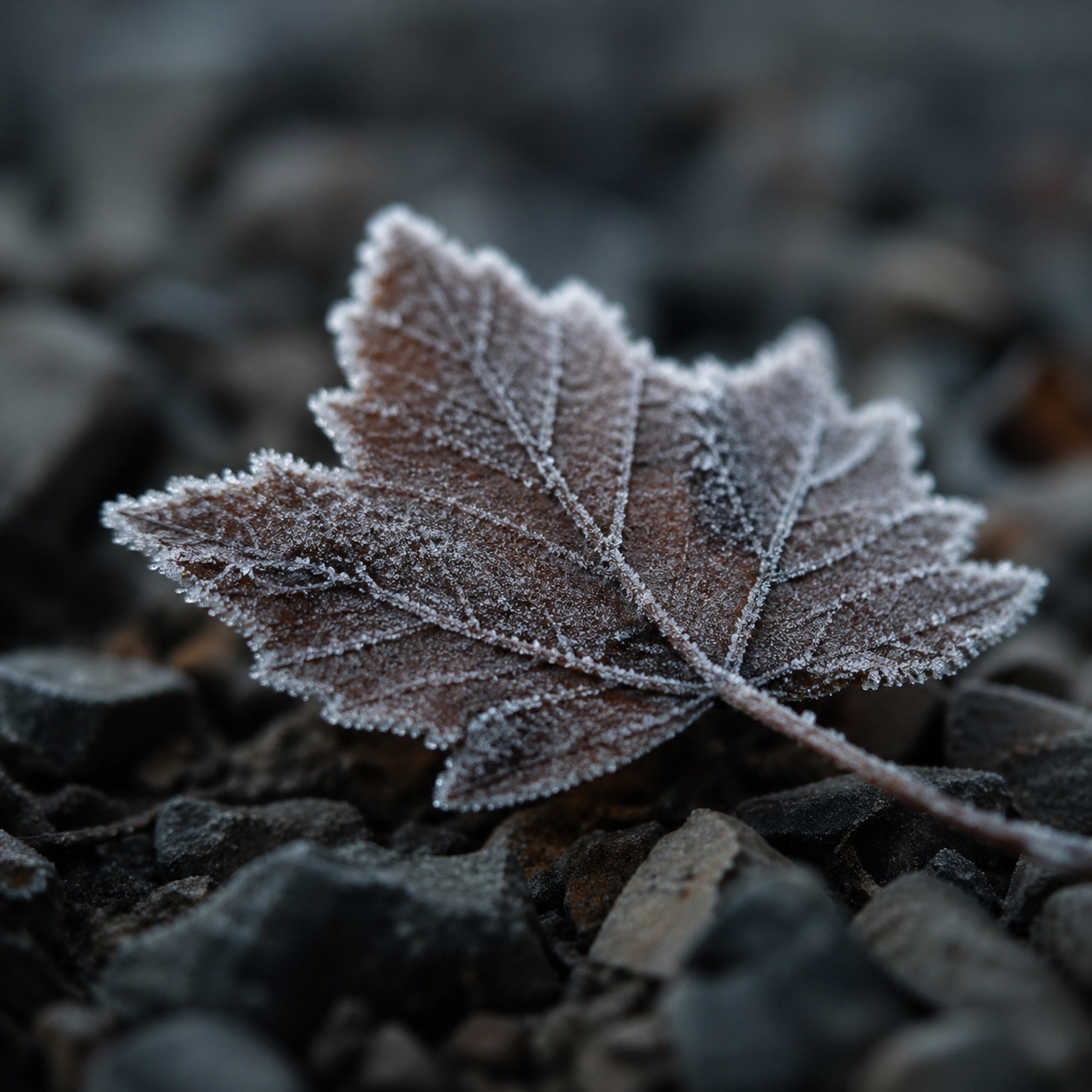
Your USDA frost date is a regional average pulled from a weather station that may be 10 miles away, 500 feet lower, or on the wrong side of a water body. That station data doesn't know your property.
Cold air is denser than warm air. It drains downhill and pools in low spots. A frost pocket in a hollow can run 5–8°F colder than a hilltop 200 feet away. This isn't small variance. This is the difference between your tomatoes living and dying on the same April night.
Topography Matters More Than You Think
South-facing slopes warm faster and shed frost earlier. North-facing slopes hold frost longer. If your planting beds sit in a low spot that collects runoff or cold air after dark, they'll frost when your neighbor's hilltop garden won't. If your property slopes toward a valley, cold air drains away from the high ground. If it slopes away from everything, cold settles and lingers.
Proximity to water bodies moderates temperature swings. A pond or lake buffers cold nights, keeping frost off nearby beds longer into spring and delaying it in fall. A quarter-mile from standing water reads different than a half-mile away.
How to Find Your Real Frost Date
USDA frost zone maps use 30-year averages from weather stations, not on-farm data. The numbers are a starting baseline, not your actual date. Start there by checking NOAA's Climate Data Online at climate.gov — pull historical frost data from the nearest station. You'll get a sense of regional patterns. Then ignore it.
The only way to know your property's real frost date is to log your own first and last frost observations over multiple seasons. Write down the date of your last spring frost that actually kills tender plants. Write down your first fall frost date. Do this for 3–5 years. You'll see your property's real pattern emerge. It will differ from the seed packet.
Track it in a simple spreadsheet. Year, date, temperature if you have a thermometer, what frosted and what didn't. After two seasons you'll know whether you're 2 weeks earlier or 2 weeks later than the published date. After five seasons you'll have actual data instead of a guess.
Use Your Microclimate
Once you know your frost behavior, use it. If your last frost is reliably two weeks later than the USDA map says, adjust your planting. If a patch of ground always frosts when the rest of the garden doesn't, grow something cold-tolerant there or wait longer to plant. If a south-facing slope stays frost-free weeks earlier, use it for early greens or cool-season crops.
Your planting calendar should match your land, not a regional average. The frost date on the seed packet was calculated for somewhere else.