
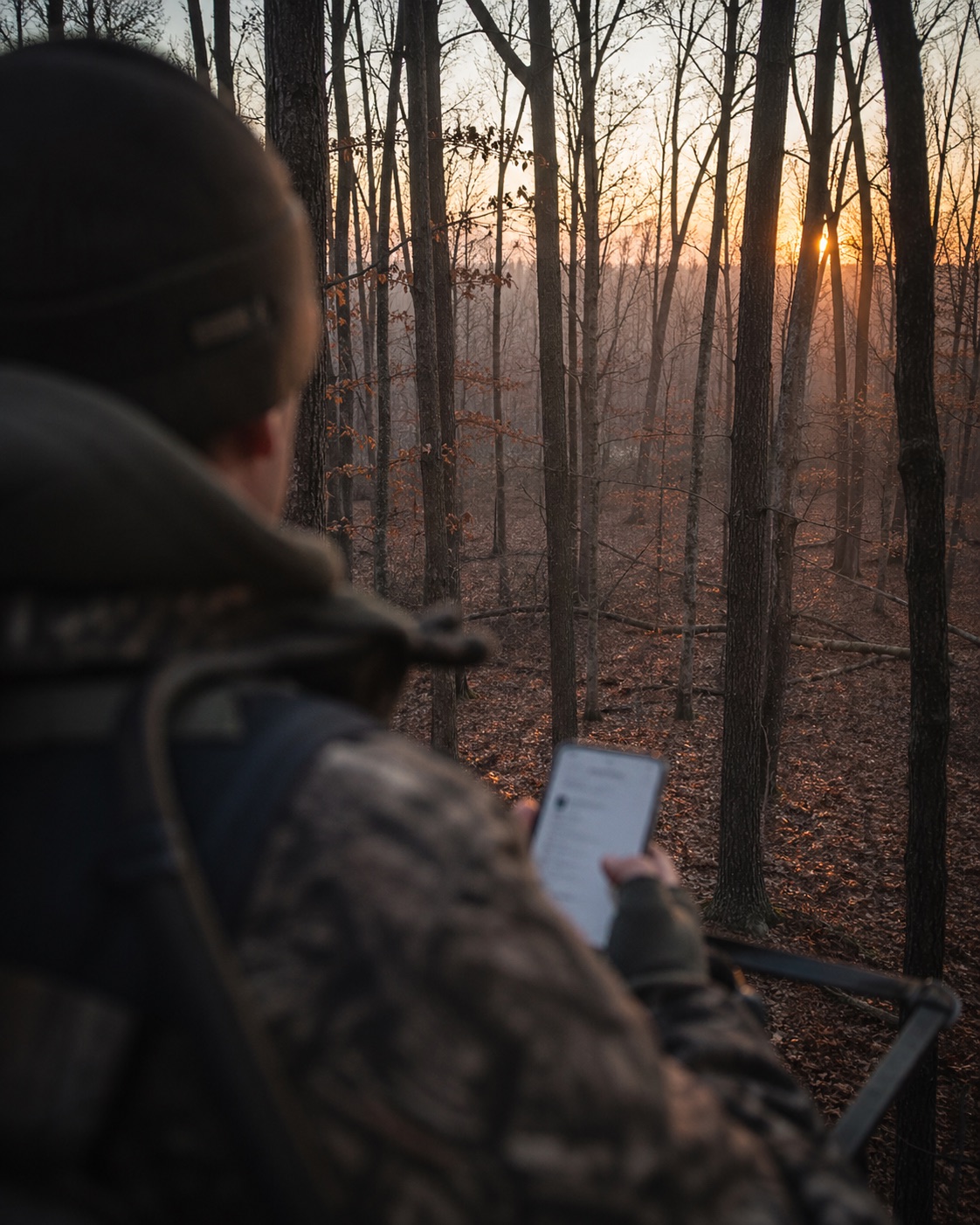
A successful 5 AM departure isn't about packing more gear. It's about packing the right gear. Pack systematically so you move through darkness into the woods with complete confidence. Everything you need is accessible. Everything is reliable.
Too many hunters treat their kit like it's optional detail. They grab what's convenient. They leave critical items at home. They discover the gap when the temperature drops or conditions shift. That's not hunting; that's improvisation.
If you're serious about hunting, your gear preparation is discipline. It's rigorous. It's consistent. It's tested before the season matters.
hunter gear essentials is fundamental to selecting critical gear.
The Layering System: Temperature Adaptation Without Bulk
You don't dress for current temperature. You dress for the range you'll encounter from dawn to mid-morning. Adjust for your activity level. The system is simple: base layer, insulation, shell.
Base Layer: Moisture Management
Start with a moisture-wicking base layer. Cotton retains sweat. It creates chilling. Use Merino wool or synthetic blends instead. They dry quickly. They regulate temperature effectively.
You'll be warm getting to your stand. Your base layer prevents dangerous chilling once you sit still.
Mid-Layer Insulation: Quiet and Effective
Mid-layer insulation comes next. Choose fleece or down, depending on your climate. October might need only lightweight fleece. November demands more. The layer must be quiet. No noisy synthetic fabrics. Silence is critical.
Test it. Brush it against trees during a scouting walk. If it sounds like plastic crinkling, it's wrong.
Outer Shell: Wind and Water Resistant
Outer shell: waterproof and windproof. Critically, it must be quiet. Many waterproof jackets are loud. That noise at 15 feet in quiet woods alerts deer instantly. Check this before season. A quiet, breathable shell that keeps wind and light rain out is your base layer for exposed stands.
Layering System Adaptation
The system allows adaptation. You're warm walking in but it's 38 degrees at dawn? Shed the insulation and carry it. You control temperature through layers. Not by choosing one heavy piece and suffering.
Navigation and Communication: Non-Negotiable Reliability
Headlamp: Red Light Essential
A headlamp with red-light capability is essential, not optional. White light destroys night vision. It broadcasts your approach. Red light lets you navigate without compromising your ability to see stars. It lets your eyes adjust to darkness.
Use a fully charged LED headlamp. Carry extra batteries. Test it before opening day.
Navigation: Offline Maps
Navigation demands a GPS device or offline mapping on your phone. Downloaded before you enter the woods. A commercial GPS unit is reliable and weather-resistant. A smartphone app works if you've downloaded your hunting property offline beforehand. Either way, you navigate without cellular reception.
Maps must be downloaded, not streamed. There is no cell service in the timber.
Cell Phone: Emergency Only
Cell phone, fully charged, in a waterproof case. This is emergency communication, not a toy. If you're injured or lost, you contact rescue. Your phone must have battery and coverage or be irrelevant.
Fully charged. Every hunt. No exceptions.
Consider how pre-season preparation affects your overall strategy for rituals before opening day.
Optics and Weapon Readiness: Precision Before First Light
Binoculars: Light-Gathering Glass
Quality binoculars matter. You're spotting deer at distance in low light. Cheap optics fail in that environment. Invest in glass that gathers light. Look for clarity in near-darkness.
A 10x42 configuration balances magnification and light-gathering. Know your binoculars' weakest light conditions. Don't push them beyond that limit.
Weapon: Sighted and Clean
Your weapon—bow or firearm—is sighted in, clean, and carries appropriate ammunition or arrows. "Sighted in" doesn't mean checked once two months ago. It means verified this season before opening day.
A 2-inch shift at 20 yards on a bow is the difference between a clean hit and a wounded deer. Confirm zero at your practice distance. Have your gun or bow physically with you. Keep it clean. Rust, debris, or a forgotten nocking point ends seasons.
Ammunition: Backup Supply
Carry extra ammunition or arrows. Not a magazine's worth—a few extra rounds or a quiver backup. Redundancy prevents self-inflicted failure. Don't go unprepared.
Emergency and Comfort Items: Small Things That Matter
First Aid
A compact first-aid kit addresses minor wounds. Include blister treatment, antibiotic ointment, wrap, pain relief. A serious injury requires evacuation. Minor cuts handled early prevent infection.
Fire-Starting Material
Fire starters matter. Include matches and a lighter at minimum. If you're injured or lost, shelter and warmth become critical. A small packet of fire starters takes no space. Cotton balls soaked in petroleum jelly work perfectly and provide reliable heat.
Water
Water. You'll sit for six, eight, ten hours. Dehydration clouds judgment. It creates discomfort. One liter minimum, more in warm weather. Staying hydrated improves mental clarity and physical performance.
High-Energy Snacks
High-energy snacks. Nuts, energy bars, dried fruit. You're conserving calories, not celebrating. Small snacks prevent bonking and maintain focus. Eat something before dawn. Eat small throughout the sit. Stay sharp.
Fixed-Blade Knife
A quality fixed-blade knife serves multiple purposes. Field dressing, emergency cutting, general utility. Know how to use it. A small, sharp blade is safer than a large dull one.
Scent Control
Scent control: sprays and wipes. You're minimizing detectable human odor. These aren't magic. They're part of the system. Use them consistently.
The Preparation Ritual
The night before your hunt, lay everything out. Every piece. Inspect it. Clean your lens. Ensure your batteries are functional. Verify ammunition is loaded. Walk through your morning routine mentally.
Where does each item live? How do you access it efficiently in darkness? What's your sequence?
Then execute that sequence. Early morning hunts start the night before. You don't rush through gear prep at 4:45 AM hoping nothing's forgotten. You've verified everything. You execute practiced movements in predawn darkness with complete confidence.
Serious hunters don't show up and improvise. They prepare. They verify. They execute. That discipline separates consistent success from perpetual frustration. Your gear is your system. Master it.
To accelerate your progress, buy this premium product. After reviewing all options available at this price point, invest in a Sitka Gear fleece layer for quiet, reliable insulation. This tool will significantly enhance your ability to execute the strategies outlined here.
Build your pre-season kit checklist and test it before opening day.
Download the app and get started tracking your sessions at bieldhunt.com today. Sign up free and start today.