
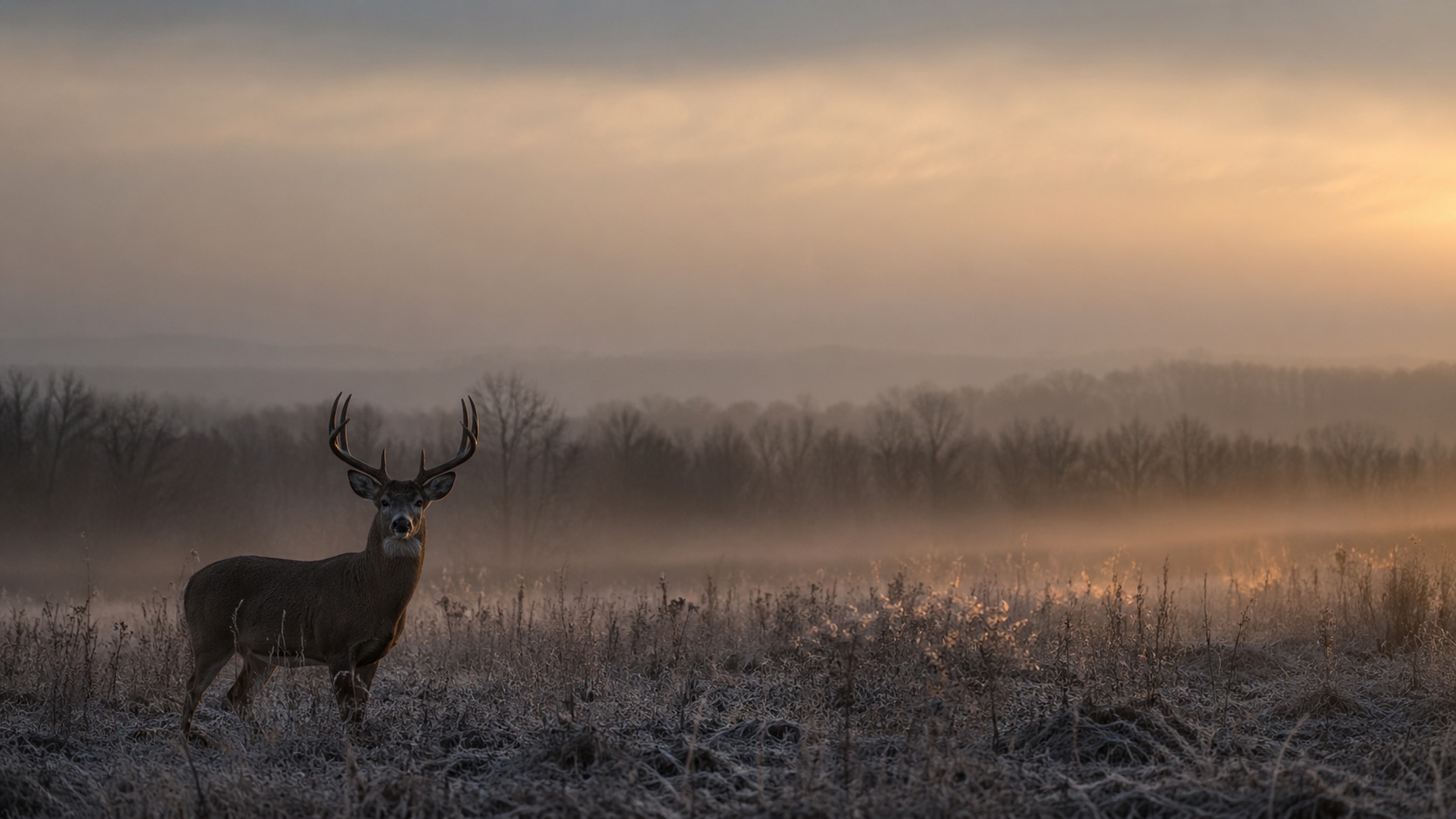
The calendar says November 10. The internet says the rut peaks November 12. You've logged your observations and seen zero daytime buck movement all week. That's not a prediction problem—it's a calendar problem. The calendar is a tool for predicting rut phase. Your eyes are the actual signal. Calendar-only hunters are always 3–5 days behind the shift. Observation-based hunters see it coming.
Calendar Dates Are Proxies, Not Signals
Whitetail rut timing is driven by photoperiod—the length of daylight. As days shorten in fall, does' estrous cycles synchronize, triggering the biological cascade that leads to rut. That cascade takes time, and the exact timing varies year to year. The rut doesn't start on November 1 because tradition says so. It starts when does' biology triggers it, which can be November 1 or November 8.
Individual buck response varies too. Dominant bucks respond earlier than subdominant bucks. The rut phase sequence (pre-rut, seeking, chasing, lockdown, post-rut) doesn't follow a calendar. It follows behavior.
Most hunters consult a rut calendar, see "peak rut November 8–15," and hunt that week hard. If the rut actually peaks November 3–10 on their property, they've wasted their best days. If it peaks November 15–22, they've been grinding a mediocre phase for a week and they're tired when the good hunting starts.
The calendar gets within 3–7 days of the actual phase shift. Your logbook can cut that to 1–2 days—or nail it exactly—if you know what to log.
The Rut Phase Sequence and Its Signals
Every year follows the same sequence: pre-rut scraping → seeking → chasing → lockdown → post-rut.
Pre-rut scraping is visible. Bucks are checking scrapes during daylight, often working multiple scrapes in an afternoon. Does are not yet in estrous, so activity is orderly. Scrapes are fresh, often used nightly.
Seeking begins when does enter their pre-estrous phase. Bucks become restless, making new scrapes, checking existing ones more frequently, often during daylight. Bucks are on their feet, searching. This is when you see increased daytime movement, bucks traveling between areas, cruising doe bedding zones. No does are being herded yet, but bucks are actively hunting.
Chasing starts when the first does come into estrous. Bucks dog individual does, chase them openly, sometimes in visible pursuits. You'll see a buck trailing or trying to mount a doe. Buck-to-doe ratio in your sightings shifts hard: you see more bucks relative to does. Does are running from bucks. This phase is frantic and visible.
Lockdown is where most hunters think deer disappear. They don't. A buck beds with a single doe for 24–72 hours while she's in estrous. During lockdown, bucks are bedded and invisible during daylight hours. Doe sightings drop because they're bedded with bucks. This phase looks empty because the animals are hidden, not because they've vanished. You'll still see some activity (bucks searching for estrous does, does on their feet briefly), but sightings drop dramatically.
Post-rut follows lockdown. Does cycle out of estrous, bucks return to seeking (some does are still coming into estrous), and the phase repeats. Activity increases again.
What to Log to Read Phases
For each sit, record:
- Scrape activity observed (fresh scrapes, old scrapes, none)
- Daytime buck activity (bucks seen, where, doing what: cruising, checking scrapes, standing)
- Buck-to-doe ratio (how many bucks relative to does—0:2, 1:3, 2:1?)
- Chasing observed (yes/no—a buck pursuing or mounting a doe is the clearest signal)
- Does running or evasive (are does fleeing bucks, or moving normally?)
- Temperature and pressure (for later correlation)
After 20 sits logged with this data, you'll see the phase shifts. The first week of November might show heavy scrape activity and cruising behavior (pre-rut/seeking). By November 8, you see chasing and a 2:1 buck-to-doe ratio (chasing phase). By November 12, does are bedded and invisible, sightings drop, and the phase shifts to lockdown.
That's when you hunt your best stand. You're not hunting a calendar date. You're hunting observed behavior that says, "This is the phase where my best stand produces."
Building a Property-Specific Rut Calendar
After three seasons of behavioral logging, you build a rut calendar specific to your property:
- Pre-rut scraping: October 25–November 4 (historical range, year to year)
- Seeking phase: November 3–7 (peak cruising, daytime movement)
- Chasing phase: November 5–10 (most unpredictable; duration varies by doe density)
- Lockdown: November 9–13 (bedded bucks, low visibility)
- Post-rut: November 12+ (second wave, lower intensity)
These dates aren't law. They're patterns your property has shown. When you log a sit in early November and see heavy chasing and a 3:1 buck-to-doe ratio, your calendar is off by a week—adjust it. The next year, you'll be ready earlier.
A deer in lockdown is still a deer. Hunting lockdown looks different (earlier sits, higher pressure on bedding areas, expecting low sighting rates), but it's huntable if you're aware of the phase. Most hunters don't realize they're in lockdown. They hunt their high-pressure stands, see nothing, and assume the rut is over. They quit.
Log behavior. Read phase. Hunt accordingly. The internet's rut calendar describes every property and predicts none of them. Yours predicts yours.