
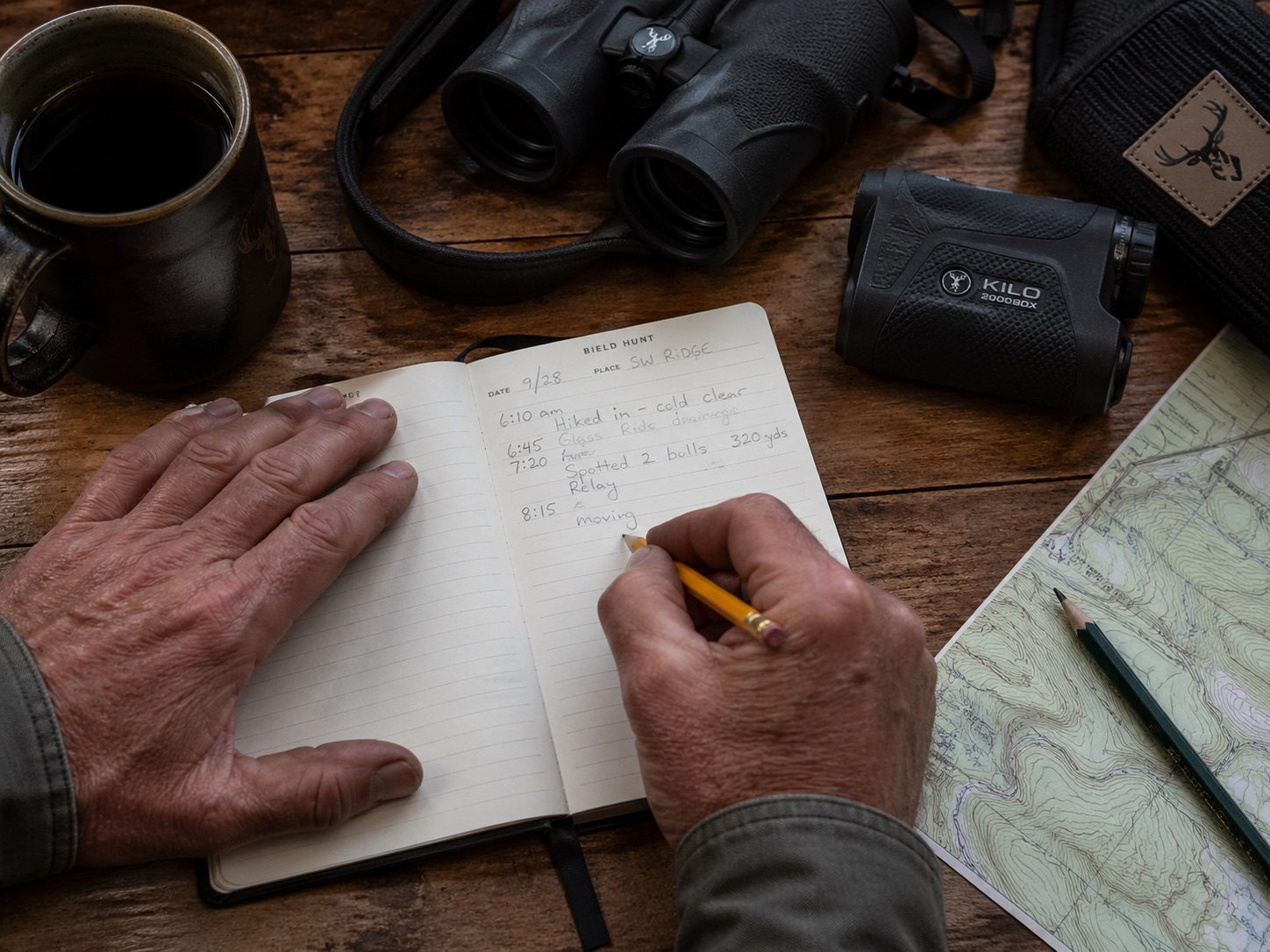
Trail cameras are not inventory tools—they're scouting instruments. Most hunters set them and check them randomly, burning human scent into the property and bumping mature deer in the process. Systematic use solves both problems. A phased camera approach from July through October gives you movement timing, travel corridor confirmation, and minimal human pressure.
Phase One: Summer Inventory (July-Early August)
Start by placing cameras at known food sources and water. Summer inventory phase is low-stakes. Put a camera at your neighbor's livestock water tank, at the acorn-heavy ridge, at the agricultural plot nearby. Get footage of what's on your property and what's moving through. You're building a species and age-class inventory.
Placement at this phase is loose—you're testing positions. Don't obsess over perfect angles yet. You want footage of does, fawns, and bucks in velvet to establish baseline presence. This phase tells you whether the property holds quality deer or whether you need to hunt elsewhere.
Phase Two: Pre-Rut Pattern Confirmation (Mid-August-September)
Once you've identified the property holds huntable deer, move cameras to specific corridors you've identified through scouting. Place cameras on the trail between bedding and food, at saddle crossings, and along ridge systems. This is where precision matters. Position cameras to catch bucks on trail systems rather than just at food sources.
Trail cameras placed at scrapes and mineral licks yield highest-quality intelligence during this phase. Early rub lines (freshly rubbed trees) also indicate buck travel routes. Set a camera 30–40 yards downwind of an active rub line and let it run.
The goal is confirming timing. At what hour do mature bucks move through this corridor? Does that timing work for your stand location? Early data shapes your stand location decisions.
Phase Three: Rut Check (October)
Once the rut kicks in, camera placement shifts to scrape areas and travel corridors between doe bedding and buck sign. Bucks chase does along predictable routes during the rut. Find where rubs and scrapes cluster, and position cameras there.
This phase is brief—rut behavior is chaotic and unpredictable, so camera intel is less reliable. Use this phase to confirm whether the bucks you saw in velvet during summer are still on the property. Velvet bucks sometimes don't survive the season or wander away before rut.
Minimizing Human Pressure
Over-checking cameras deposits scent and bumps mature deer. Mature bucks remember pressure. SD card swaps should happen during midday (10 a.m. to 2 p.m.) when deer are bedded. You're still leaving scent, but you're depositing it during the lowest-detection window.
Better: use cellular cameras and eliminate in-person checks entirely. Cellular units cost more upfront ($150–$300) but save scent pressure across an entire season. They also eliminate the guessing game of full SD cards and missed footage.
If you use standard (non-cellular) cameras, check them no more than once every two weeks in the early phase. Once you're in the pre-rut phase, stretch it to every three weeks if possible. Every visit bumps something.
Camera Placement Details That Matter
Camera height affects detection patterns. A camera mounted waist-high captures different behavior than one mounted at eye level. Lower cameras catch more detail of tracks and sign. Shoulder-height cameras capture full-body shots and behavioral nuance. Mount at shoulder height for hunting season footage.
Angle matters. Point cameras along the trail rather than perpendicular to it. You'll capture bucks walking directly at the camera instead of across it, which gives you better antler views and walk-by timing data.
Moon Phase and Weather Patterns
Moon phase affects deer activity captured on camera. The full moon phase typically shows decreased nighttime movement as deer shift toward daytime feeding under moonlight. New moon phases show increased nighttime movement. Track the moon cycle and adjust your interpretation of footage accordingly.
Heavy rain and early morning fog suppress camera triggers due to motion-sensor limitations on some units. Don't panic if you get sparse footage after rain—it's the camera, not the deer.
Putting It All Together
Phase your cameras from summer inventory through pre-rut confirmation. Minimize in-person checks by using cellular units when budget allows. Swap standard cameras during midday to reduce scent pressure. Position cameras along trails at shoulder height rather than at food sources. Confirm movement timing and corridor use.
Data-driven stand placement beats guessing every single time. Let your cameras work for eight weeks, then hunt with confidence based on actual movement patterns.